¡Tu carrito en este momento está vacío!
Understanding Forex Trading A Comprehensive Guide 1554221469
What is Forex Trading?
Forex trading, or foreign exchange trading, is the process of buying and selling currencies on the foreign exchange market with the aim of making a profit. The Forex market is the largest and most liquid financial market in the world, with a daily trading volume exceeding $6 trillion. In this article, we will delve into what Forex trading entails, its benefits, risks, and essential strategies for success. Additionally, you can find resources and more information on what is trading forex fx-trading-uz.com.
The Basics of Forex Trading
Forex trading involves exchanging one currency for another in a global marketplace. Traders speculate on the price movements of currency pairs, which are quotes that represent the relative value of one currency against another. For example, in the currency pair EUR/USD, the Euro is the base currency, and the US dollar is the quote currency. If you believe the Euro will rise against the Dollar, you would buy the EUR/USD pair. Conversely, if you think the Euro will fall, you would sell it.
How Does Forex Trading Work?
Forex trading operates 24 hours a day, five days a week, across major financial centers worldwide. The market is divided into three major trading sessions: the Asian, European, and North American sessions. Each session overlaps with the others, leading to increased volatility and trading opportunities.
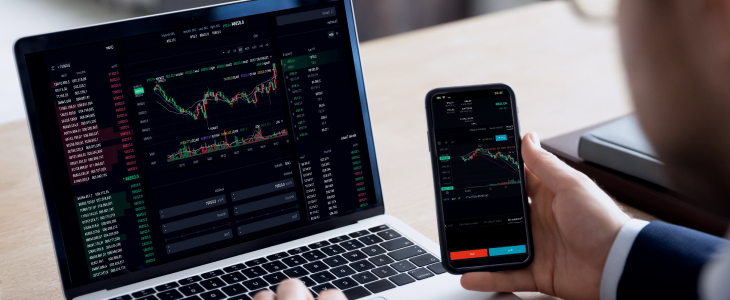
Traders can access the Forex market through brokers who provide trading platforms. These platforms offer various tools, charts, and information that traders can use to make informed decisions. Forex trading can be conducted through different methods, including:
- Spot Market: This is the primary market where currencies are traded at current prices, with transactions settling immediately.
- Forward Market: In this market, traders agree to buy or sell currencies at a predetermined price on a future date.
- Futures Market: Similar to the forward market, this involves contracts to buy or sell currencies at a specific price and date, but these contracts are standardized and traded on exchanges.
Why Trade Forex?
Forex trading offers several advantages that attract both beginners and experienced investors:

- High Liquidity: The vast size of the Forex market ensures that traders can buy and sell currencies quickly without significantly affecting the market price.
- Leverage: Forex brokers often offer high leverage, allowing traders to control larger positions with a relatively small amount of capital.
- Accessibility: Anyone can start trading Forex with a minimum deposit, which can often be as low as $100.
- Variety of Currency Pairs: Traders can choose from a wide array of currency pairs, including major pairs like EUR/USD and more exotic pairs.
- Potential for Profit in Rising and Falling Markets: Forex trading allows for profit generation regardless of market trends, enabling traders to go long or short.
Risks of Forex Trading
While Forex trading can be lucrative, it also carries significant risks that traders should be aware of:
- Market Volatility: The Forex market can be highly volatile, leading to rapid price fluctuations that can result in substantial gains or losses.
- Leverage Risk: While leverage can amplify profits, it can also magnify losses, leading to a potential loss of the entire investment.
- Lack of Regulation: The Forex market is decentralized and less regulated than other financial markets, making it essential for traders to choose reputable brokers.
- Emotional Trading: Many traders fall prey to emotions like fear and greed, which can lead to impulsive decisions and poor trading outcomes.
Key Trading Strategies
Successful Forex traders often employ various strategies to enhance their chances of making profitable trades. Here are some common approaches:
- Technical Analysis: This involves studying historical price charts, using indicators, and analyzing patterns to forecast future price movements.
- Fundamental Analysis: Traders scrutinize economic indicators, news events, and geopolitical developments to predict currency movements influenced by macroeconomic factors.
- Scalping: This is a short-term trading strategy where traders aim to make small profits from minor price fluctuations by executing numerous trades throughout the day.
- Day Trading: Similar to scalping, day trading involves opening and closing trades within the same day, avoiding overnight positions to minimize exposure to market volatility.
- Swing Trading: Swing traders hold positions for several days or weeks, aiming to profit from price swings over time.
Getting Started with Forex Trading
For those interested in embarking on a Forex trading journey, here are some essential steps to take:
- Education: Start by learning the basics of Forex trading through online courses, books, and webinars.
- Choose the Right Broker: Research and select a reputable Forex broker that meets your needs, offers a user-friendly platform, and has good customer support.
- Demo Account: Open a demo account to practice trading without risking real money. This allows you to familiarize yourself with the trading platform and test your strategies.
- Develop a Trading Plan: Create a comprehensive trading plan that outlines your goals, risk tolerance, strategies, and money management rules.
- Start Trading: Once you feel confident, start trading with a real account, beginning with a small amount before gradually increasing your position size.
Conclusion
Forex trading offers a dynamic and potentially profitable way to invest in the financial markets. However, it requires knowledge, discipline, and a solid trading plan to succeed. By understanding the fundamentals, risks, and strategies of Forex trading, you can set yourself on a path towards successful trading. Whether you are a beginner or an experienced trader, continuous learning and adaptation to changing market conditions will be key to your trading success.
por
Etiquetas:
Deja un comentario